Secrets to Building Your Own Crowdfunding Community Before Launch
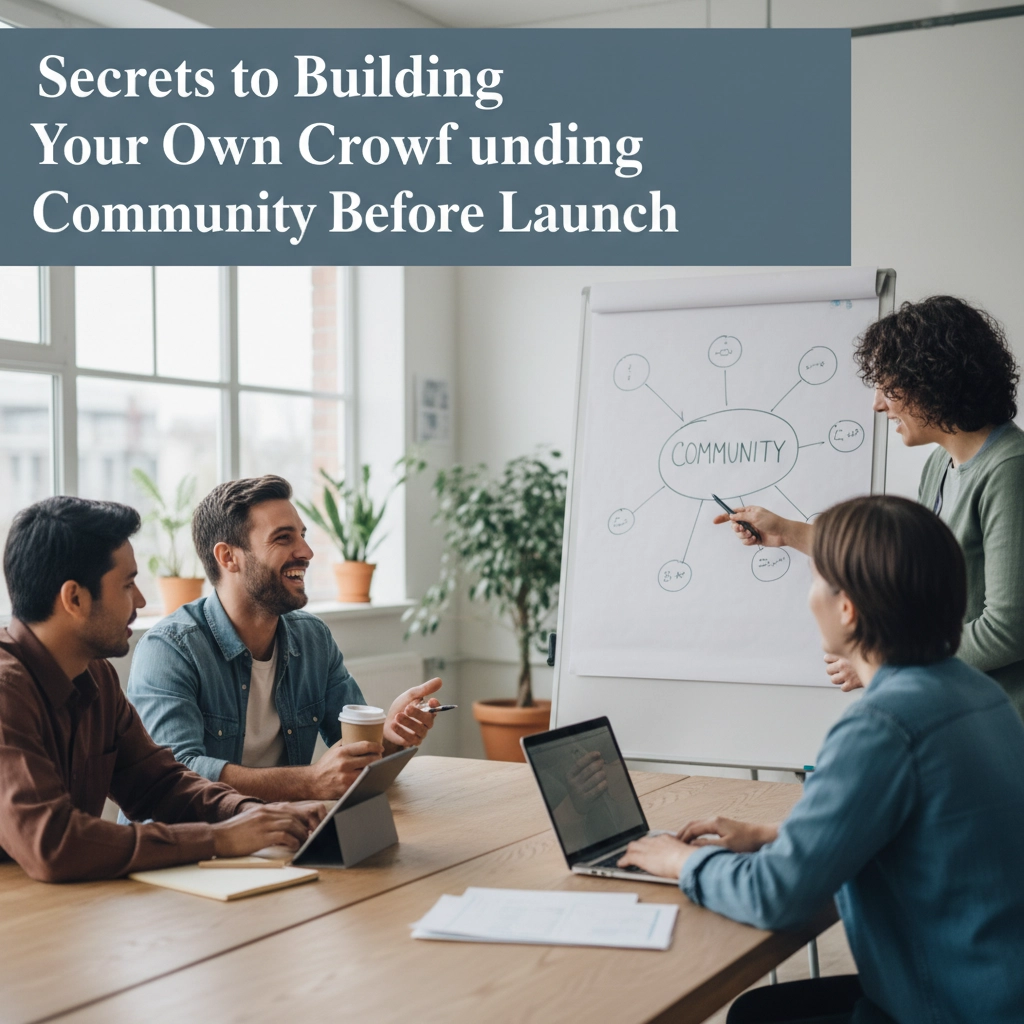
You've got an amazing product idea that could change everything. The prototype looks incredible, your friends are excited, and you're ready to launch your crowdfunding campaign tomorrow. But here's the harsh truth: if you launch without a community, you're setting yourself up for failure.
The most successful crowdfunding campaigns don't start building their audience on launch day – they start 3-5 months before they even think about going live. Take the Pebble smartwatch, which raised over $10 million on Kickstarter. Their secret? They spent months nurturing a community of tech enthusiasts who were already invested in their vision before the campaign launched.
Building a pre-launch community isn't just about collecting email addresses (though that's important too). It's about creating genuine relationships with people who believe in your mission and want to see you succeed. Let's dive into the strategies that separate wildly successful campaigns from those that struggle to reach even 10% of their funding goals.
Start with Your Core Squad
Before you dream about thousands of backers, focus on recruiting your foundational group. You need 10-15 trusted supporters who will form what we call your "host committee." These are your friends, family members, colleagues, and anyone else who genuinely believes in what you're building.
This might sound basic, but here's why it matters: your host committee becomes the seed that grows into your larger community. They'll share your posts, invite their networks to follow your journey, and create the crucial early momentum that makes other people take notice.
But don't stop there. Look for potential tribe leaders – people who have a natural ability to rally others around causes they care about. Maybe it's the friend who always organizes group trips, the colleague who runs the company book club, or the acquaintance who seems to know everyone in your industry. These leaders can help you reach entirely new networks of potential supporters.

Know Your People Inside and Out
You can't build a meaningful community if you don't understand who you're trying to reach. Spend time researching your target audience's demographics, interests, and online behaviors. Use tools like Google Analytics if you have a website, create surveys, or simply start conversations with potential customers.
Here's what successful creators do differently: they get specific. Instead of targeting "people who like tech gadgets," they might focus on "remote workers aged 25-40 who struggle with productivity and love trying new tools to optimize their workspace." The more specific you get, the easier it becomes to find and connect with your ideal supporters.
Your story becomes your most powerful tool for connecting with these people. Share why you started this project, what challenges you're trying to solve, and what success looks like for you. People don't just back products – they back creators and missions they believe in.
Master Social Media Strategy
Not all social platforms are created equal, and trying to be everywhere at once is a recipe for burnout. Choose your platforms based on where your target audience actually spends time:
Creative projects with strong visual appeal thrive on Instagram and TikTok. Show behind-the-scenes content, design processes, and sneak peeks that make people feel like insiders.
Professional or B2B projects perform better on LinkedIn, where you can connect with industry professionals and share thought leadership content.
Niche communities often gather on Reddit, specialized Facebook groups, or industry-specific Slack channels. Find where your people are already having conversations and join in authentically.
The key is consistency and engagement. Don't just broadcast – start conversations. Ask for feedback on design decisions, share challenges you're facing, and celebrate milestones with your followers. Make them feel like partners in your journey, not just an audience watching from the sidelines.

Build Your Email Empire Early
Social media algorithms are unpredictable, but your email list belongs to you forever. Start collecting email addresses from day one, even if you don't have much to share yet.
Email subscribers are typically more invested than casual social media followers. They've taken an extra step to hear from you, which means they're more likely to back your campaign when it launches. Use email to share exclusive updates, behind-the-scenes content, and early-bird rewards that make subscribers feel valued and special.
Some of the most successful campaigns we've seen at CoolBacker, like the RingConn smart health tracking ring, built massive email lists before launch by offering exclusive previews and early access to their communities.
Partner with the Right Influencers
Forget about chasing mega-influencers with millions of followers. Focus on micro-influencers who have consistently engaged audiences in your niche. These creators often have stronger relationships with their followers and charge much less for collaborations.
Look for influencers who create content that aligns with your values and product category. Reach out with genuine collaboration ideas:
Sponsored content where they create posts, videos, or stories featuring your upcoming campaign
Guest blog posts where they write in-depth pieces about why their audience should be excited about your project
Live events like Q&A sessions, product demos, or Instagram Live streams where their followers can interact with you directly
Remember, the goal isn't just exposure – it's building genuine relationships with people who might become long-term supporters and customers.

Create Multiple Ways to Connect
Host both online and offline events to deepen your community connections. Webinars and live-streamed demos work incredibly well for reaching large, targeted audiences while giving them a closer look at your project in action.
If geography permits, don't underestimate the power of in-person meetings. Coffee chats, dinner parties, or local meetups create personal connections that digital interactions simply can't match. Some creators organize "founder dinners" in different cities, inviting local supporters to meet face-to-face and share their vision.
Create a dedicated space where your community can connect with each other, not just with you. This might be a Facebook group, Discord server, or even a simple forum on your website. When supporters can connect with like-minded people, they're more likely to stay engaged and become advocates for your project.
Make Them Feel Like VIPs
Exclusivity is incredibly powerful when building community loyalty. Give your core supporters a sense of belonging to something special:
Name your community – even something simple like "Early Adopters" or "Founding Members" helps create identity and belonging.
Provide early access to announcements, prototypes, or special content through dedicated email lists or private social media groups.
Celebrate active members publicly on your social media channels. Tag them in posts, share their feedback, and make them feel appreciated for their support.
Offer insider perks like input on design decisions, exclusive colorways, or special pricing that's only available to your pre-launch community.
The campaigns that raise the most money often have communities that feel like exclusive clubs rather than generic mailing lists.
Keep the Conversation Going
Building a community isn't a "set it and forget it" strategy. You need to consistently show up, provide value, and maintain momentum throughout your pre-launch period.
Share regular updates about your progress, challenges you're facing, and milestones you've reached. Be transparent about setbacks – authenticity builds trust, and people appreciate honesty more than perfect marketing speak.
Ask for feedback frequently and actually implement suggestions when they make sense. When community members see their ideas reflected in your final product, they become incredibly invested in your success.
Create a content calendar to stay consistent across all your channels. You don't need to post daily, but you do need to maintain regular touchpoints with your community.
The most successful crowdfunding campaigns understand that community building is a marathon, not a sprint. Start early, stay authentic, and focus on building genuine relationships rather than just collecting followers. When you launch with a community that's already invested in your success, you're not just asking strangers to fund a product – you're giving supporters the opportunity to bring a shared vision to life.
Your pre-launch community becomes your most valuable asset on launch day and beyond. They provide initial momentum, social proof, and word-of-mouth marketing that money can't buy. The time you invest in building these relationships before you need them will pay dividends throughout your entire campaign and beyond.