Kickstarter Pre-Launch Page Mistakes: 10 Reasons Your Campaign Failed Before It Started
Ever wondered why some Kickstarter campaigns explode out of the gate while others struggle to gain traction? The answer often lies in what happens *before* your campaign goes live. Your pre-launch phase is make-or-break territory, and unfortunately, most creators are sabotaging their chances without even realizing it.
After analyzing hundreds of campaigns and working with creators at CoolBacker, I've identified the most devastating pre-launch mistakes that kill campaigns before they even start. Let's dive into the 10 critical errors you need to avoid if you want your campaign to succeed.
1. Skipping the Pre-Launch Page Entirely
This one's a campaign killer, yet it's surprisingly common. Some creators think they can just announce their campaign on social media and hope for the best. Big mistake.
Your pre-launch page is your digital storefront – it's where you capture interested backers before your campaign officially launches. Without it, you're missing the critical opportunity to build momentum and prime Kickstarter's algorithm for a strong opening day.
Think of it this way: would you rather launch to 10 people or 1,000 people who are already excited about your product? The pre-launch page makes that difference possible.
2. Overwhelming Visitors with Information Overload
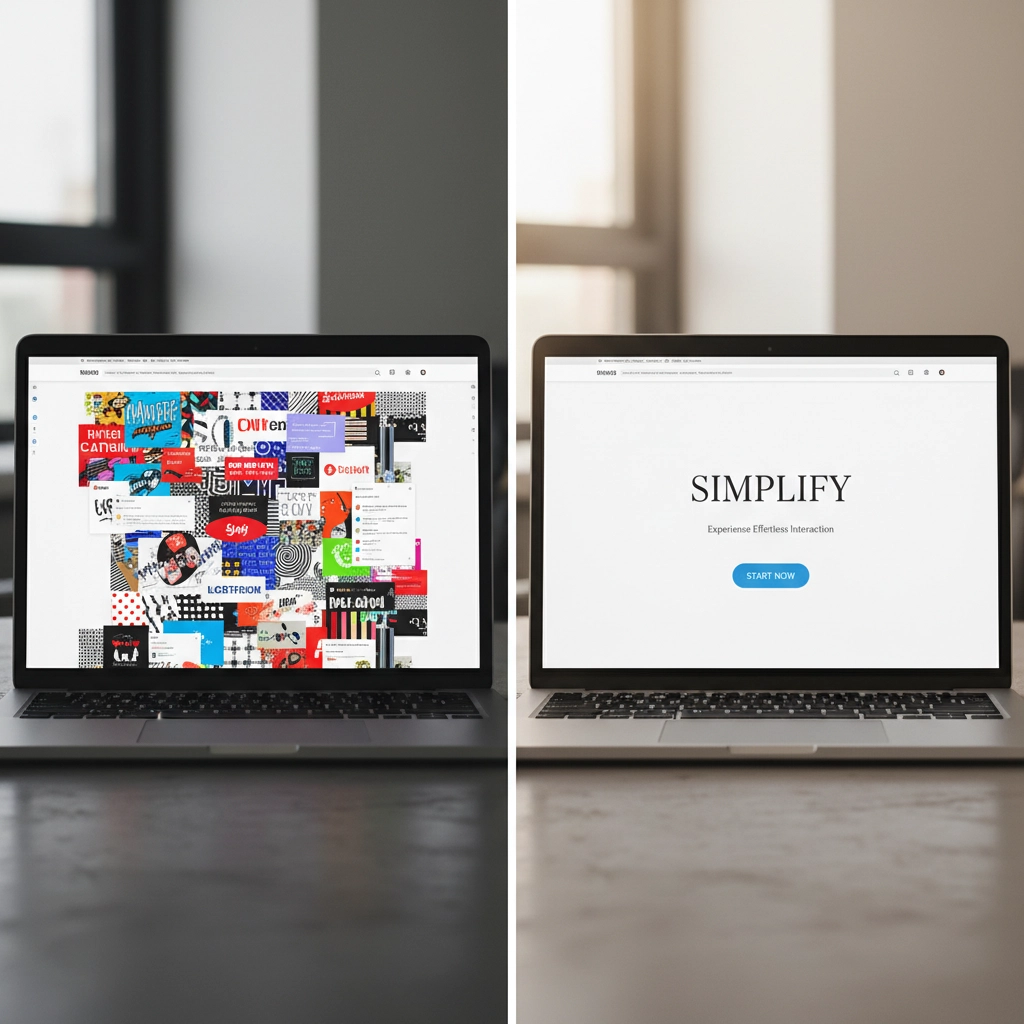
Here's where many creators go wrong – they treat their pre-launch page like their full campaign page. They dump every feature, specification, and detail they can think of, overwhelming visitors with walls of text.
Your pre-launch page should work like a movie trailer, not the full movie. You want to build anticipation and excitement, not explain every single detail. Keep it focused on your core value proposition and the problem you're solving.
Remember: confused visitors don't sign up. Keep it simple, keep it compelling.
3. Weak Call-to-Action That Nobody Notices
You've got visitors on your page – now what? If your call-to-action button is buried at the bottom or uses generic language like "Sign Up," you're leaving money on the table.
Your CTA should be:
- Positioned above the fold
- Repeated throughout the page
- Use compelling language that creates urgency
- Stand out visually from the rest of your content
Instead of "Sign Up," try "Get Notified First" or "Join the VIP List." Make people feel special for taking action.
4. No Sense of Urgency or Exclusivity
Why should someone sign up for your pre-launch list today instead of next week? If you can't answer that question, neither can your visitors – and they'll procrastinate indefinitely.
Create urgency by:
- Clearly communicating your launch date and time
- Offering exclusive early-bird pricing for subscribers
- Limiting quantities or creating scarcity
- Using phrases like "Limited Edition" or "First 100 Backers"
People need a reason to act now, not later.
5. Amateur-Looking Design That Screams "Skip Me"
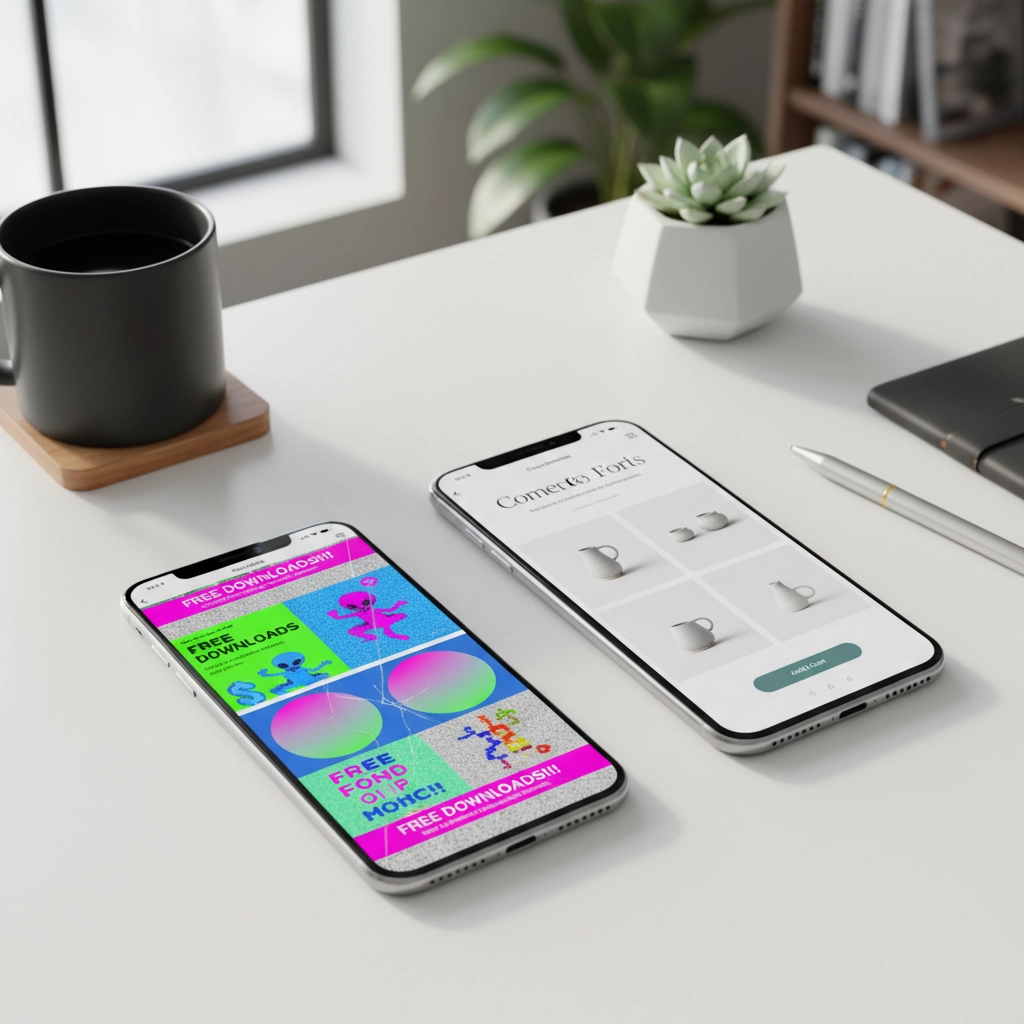
Your pre-launch page is often the first impression potential backers have of your brand. If it looks like it was built in 2010 or thrown together in an afternoon, you're signaling that you're not serious about your product.
Professional design doesn't mean expensive – it means:
- Clean, modern layout
- High-quality product images
- Consistent branding and colors
- Mobile-responsive design
- Fast loading times
First impressions matter, especially when people are deciding whether to trust you with their money.
6. Launching to Crickets (No Community Building)
This might be the most dangerous mistake of all. If hardly anyone knows about your product before you launch, they won't magically discover it on Kickstarter.
Successful campaigns spend months building community before their launch:
- Engaging with potential customers on social media
- Sharing behind-the-scenes content
- Building relationships within their industry
- Creating content that provides value
You need an audience that's already invested in your success before you ask them to back your campaign.
7. Zero Market Research or Customer Validation

Here's a sobering statistic: the #1 reason Kickstarter campaigns fail is launching a product nobody actually wants. Yet many creators never talk to a single potential customer before launching.
Before you create your pre-launch page, make sure you've:
- Interviewed potential customers about their problems
- Validated demand for your solution
- Researched your competition
- Understood your market size
Don't assume you know what people want – ask them directly.
8. Confusing Reward Levels That Scare People Away
Complexity kills conversions. When you overcomplicate your reward structure or try to offer too many options, you create decision paralysis.
Keep your pre-launch messaging simple:
- Focus on your main product offering
- Save complex add-ons for the actual campaign
- Make it crystal clear what people get for backing you
- Use visual elements to organize information
The easier you make it for people to understand your offering, the more likely they are to support it.
9. Announcing Launch Dates Before You're Ready
Excitement is good, but premature announcements can kill your campaign. Many creators publicly announce launch dates before they've built sufficient audience, completed market research, or finalized their product.
Only announce your launch date when you've achieved:
- Target pre-launch sign-up numbers
- Healthy email open and click-through rates
- Completed product development and testing
- Established relationships with potential press contacts
Rushing to launch before you're ready often means launching to an empty room.
10. Destroying Trust with Amateur Mistakes

Backers are essentially investing in your ability to deliver on your promises 6-12 months down the line. Every detail on your pre-launch page either builds or destroys that trust.
Trust-killing mistakes include:
- Typos and grammatical errors
- Unrealistic production timelines
- Vague shipping information
- No clear communication about your background or expertise
- Overpromising and underdelivering on expectations
Take time to proofread everything, be realistic about timelines, and demonstrate that you've done your homework.
The Pre-Launch Success Formula
Avoiding these 10 mistakes isn't just about preventing failure – it's about setting yourself up for explosive success. When done right, your pre-launch phase should generate substantial momentum that carries into a strong opening day.
The most successful campaigns we've worked with at CoolBacker treat their pre-launch phase as strategically important as launch day itself. They invest time in building the right audience, validating their concept, and creating compelling reasons for people to get excited about their product.
Remember: your campaign doesn't start when you hit "launch" on Kickstarter. It starts the moment you begin building your community and validating your idea. Get the pre-launch phase right, and you'll give your campaign the best possible chance of success.
Ready to avoid these mistakes and build a pre-launch strategy that actually works? The time to start is now – your future backers are waiting to discover what you're creating.