How to Get Kickstarter Backers: Real Strategies That Actually Work in 2026
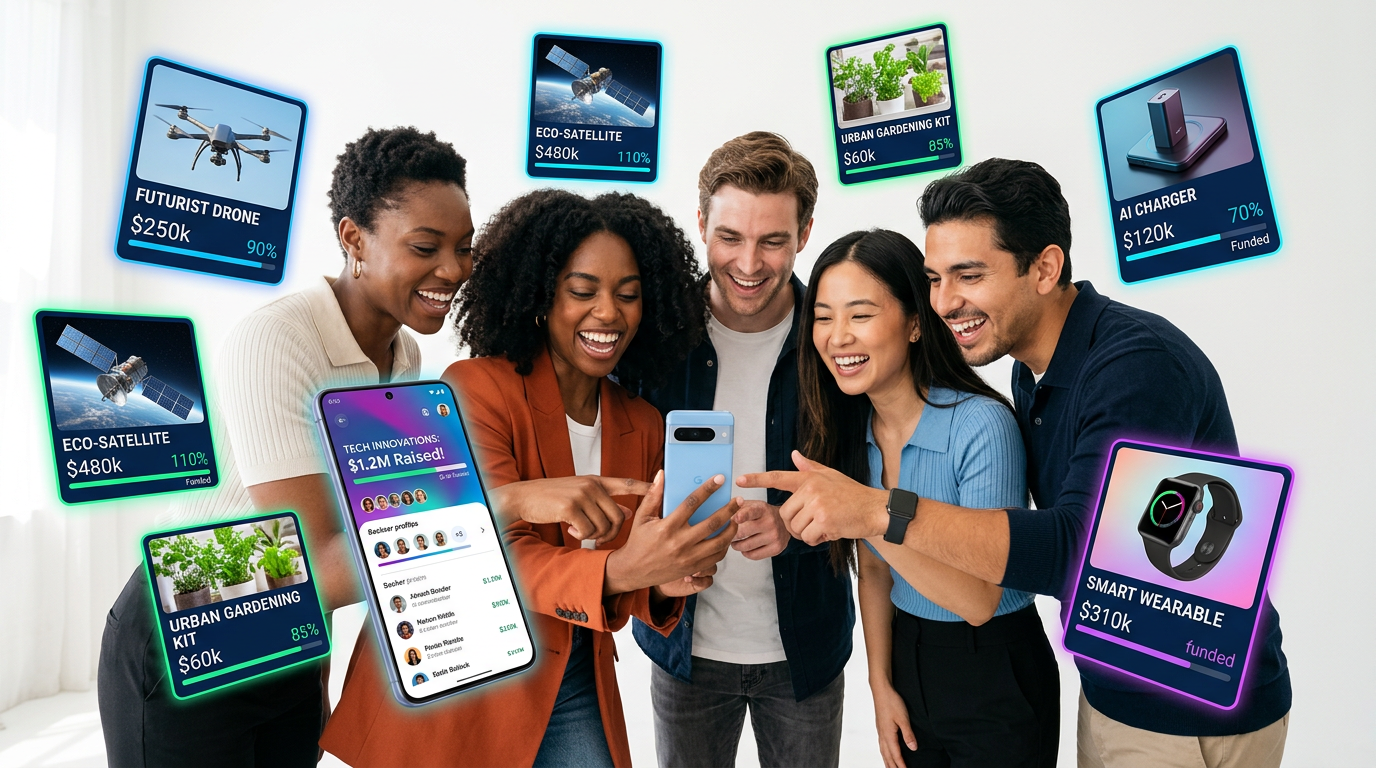
You’ve got a product you believe in. A prototype that works. A campaign page that’s almost ready. But there’s one question that keeps you up at night: how to get Kickstarter backers beyond your mom, your college roommate, and the guy from the coworking space.
Let’s be honest — the early rush of support from your personal network feels great, but it dries up fast. Real crowdfunding success depends on reaching people who actually *back projects* for a living: serial backers, early adopters, genre fans. And in 2026, the playing field is more competitive than ever. Board games are breaking records, AI-powered gadgets are minting million-dollar campaigns overnight, and productivity tools are riding the remote-work wave. To stand out, you need a strategy that goes viral — in the right circles.
That’s where this guide comes in. I’m going to walk you through actionable, field-tested ways to find, attract, and convert backers who will fund your dream. And yes, I’ll show you how platforms like CoolBacker give you a massive head start.
---
Understanding the Backer Landscape in 2026
Before you ask how to get Kickstarter backers, you need to understand *who* they are and *what* they want. The crowdfunding audience has matured. According to recent data, the average backer now supports 4–6 projects per year, and they’re far more selective.
The Three Tribes of Backers
- Enthusiasts – They back because they love the category (e.g., board gamers, gadget lovers). They follow trends, read project updates, and often fund multiple projects in the same niche.
- Problem-Solvers – They back products that fix a real pain point. Ergonomic chairs, portable projectors, desktop UV printers — these appeal to people actively looking for solutions.
- Gift Givers – A rising tribe in 2026. They back projects to give as presents, especially around holiday seasons. They’re less loyal but have deep pockets.
Why Your Personal Network Isn’t Enough
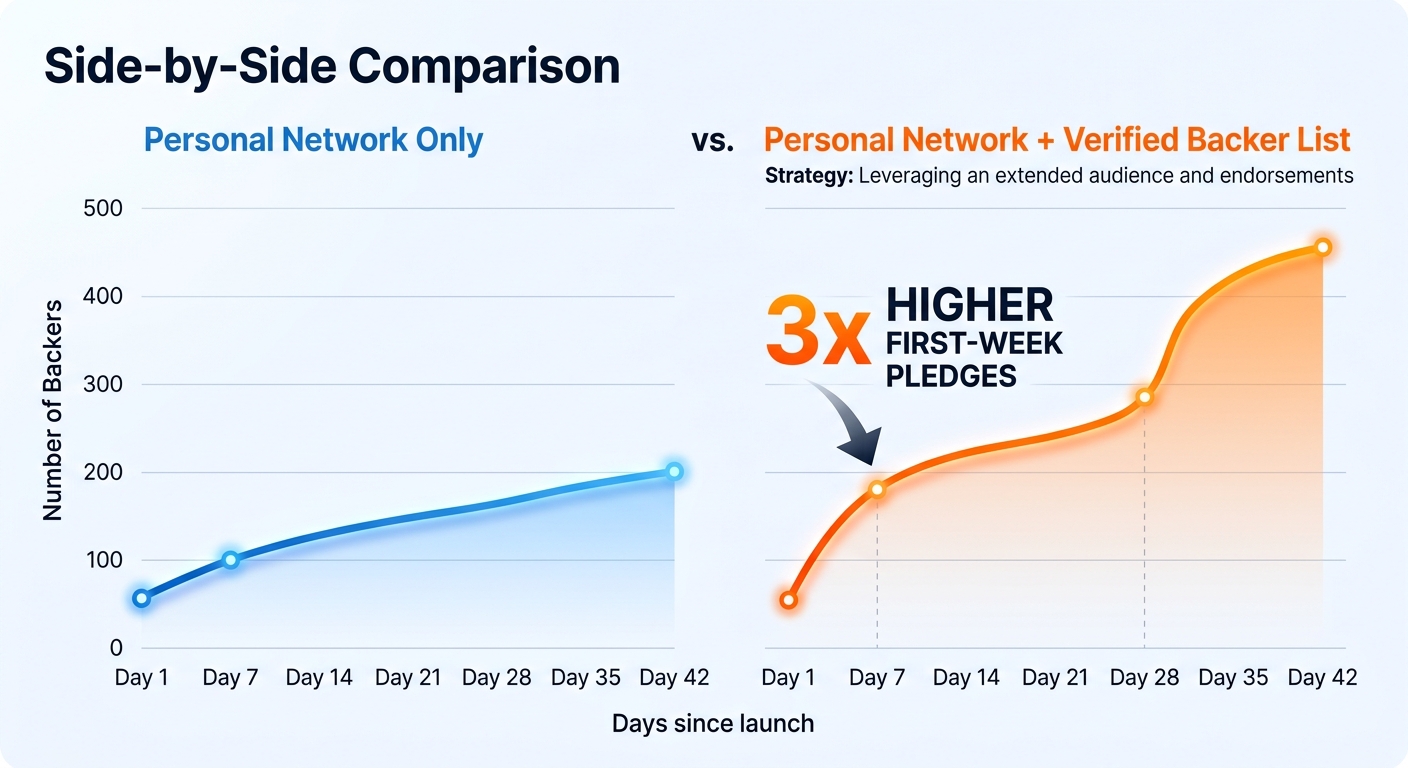
Your 300 Facebook friends might pledge $5,000 on day one, but then what? Most campaigns plateau after the first 48 hours because the creator hasn’t built a funnel for *external* backers. The secret sauce is a pre-warmed audience of people who already trust the platform and love discovering new projects.
That’s why standalone outreach — cold DMs, random social media posts — rarely works. You need a targeted, scalable approach.
---
Pre-Launch: Build the Buzz Before You Launch
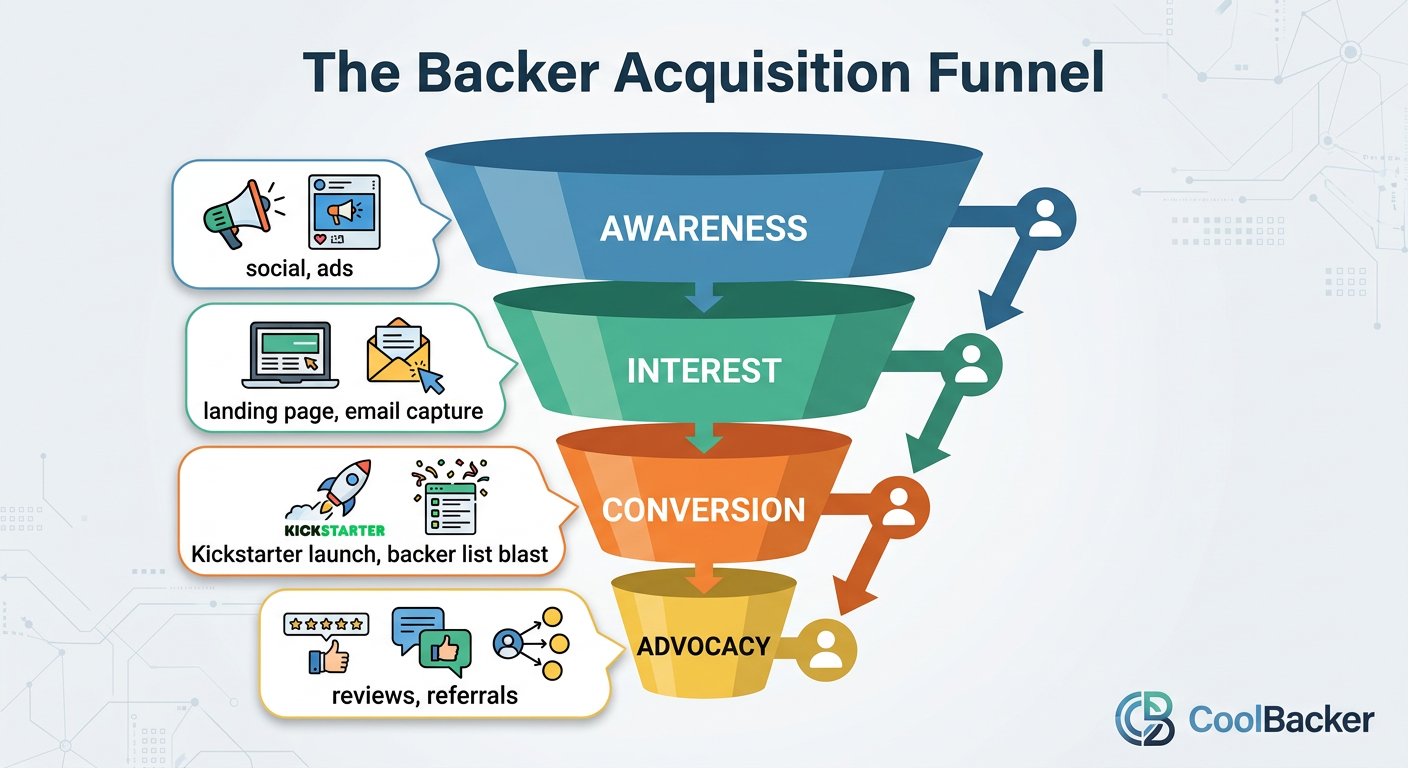
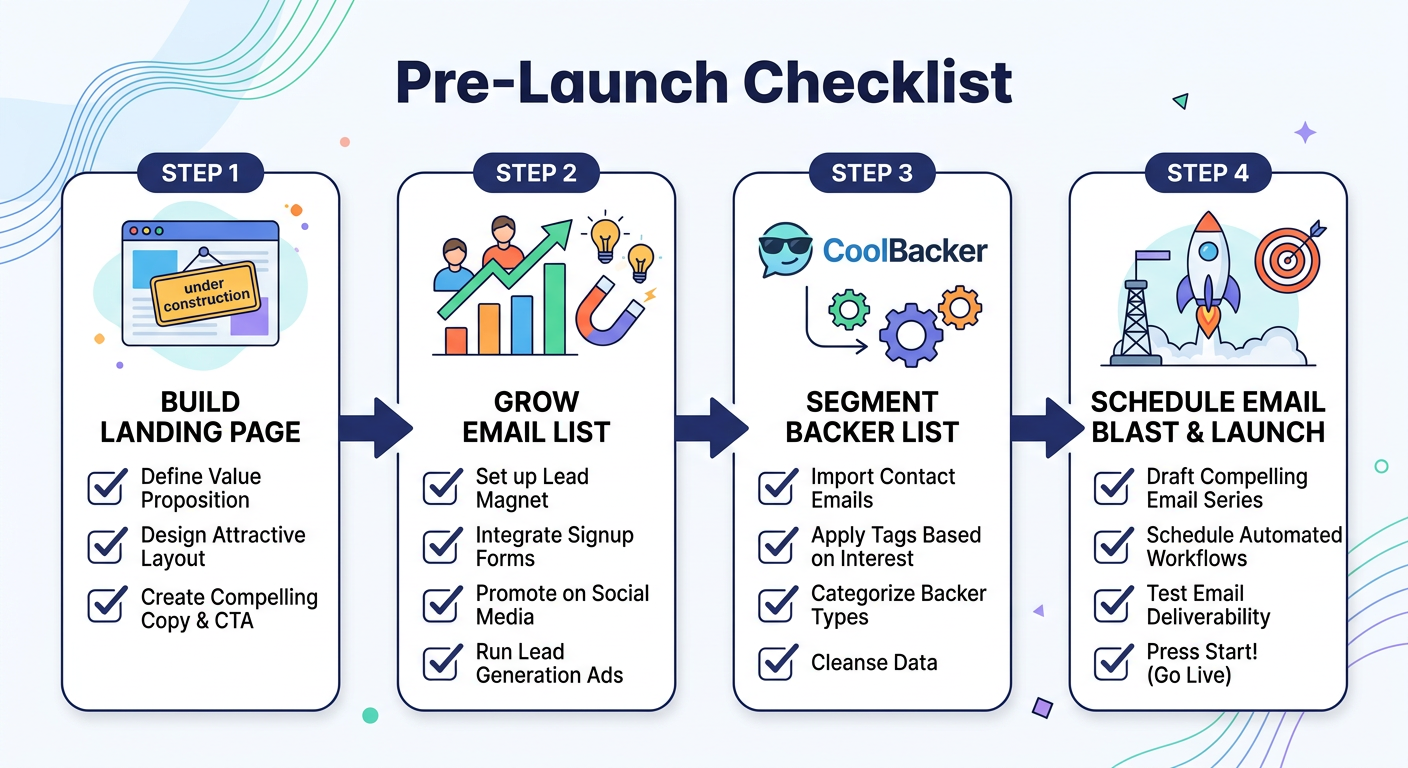
The most successful creators spend 60–80% of their effort *before* the campaign goes live. Pre-launch is where you convert curiosity into email subscribers, and subscribers into day-one backers.
Create a Landing Page That Converts
Your landing page should answer three questions in under five seconds:
- What is this thing?
- Why do I need it?
- When can I get it?
Include a countdown timer, a short explainer video, and a simple email capture form. Offer an exclusive early-bird discount or a free digital bonus for signing up. This is your first asset for crowdfunding campaign promotion.
Build a Pre-Launch Community
Start a Discord server, a subreddit, or a Facebook group centered on your product’s problem. Share behind-the-scenes content, ask for feedback on prototypes, and make members feel part of the journey. When your campaign launches, those members become your biggest cheerleaders.
Use Paid Ads to Warm Up Lookalike Audiences
If you’ve got a small budget ($500–$2,000), run Meta or Instagram ads to a custom audience based on “Kickstarter backer” interests. Target people who have backed similar products. Drive them to your landing page, not your campaign. Once they opt in, you can retarget them with launch day ads.
---
Beyond Friends & Family: The Power of Verified Backer Lists
Here’s the part where most campaign creators get stuck. You’ve emailed your mom, your best friend, and your old boss. Now what? The answer lies in tapping into databases of *active, verified backers* — people who have proven they’re willing to pledge real money to new ideas.
What Are Verified Backer Email Lists?
Companies like CoolBacker curate lists of Kickstarter backers who have funded multiple projects in specific categories. These aren’t random email scrapes. They’re opt-in, updated regularly, and segmented by interest — tabletop gaming, tech gadgets, home office, etc. You pay a small fee to send a targeted email blast, and you only pay for actual opens or clicks.
Why This Works Better Than Cold Outreach
- High relevance – The backers already love what you’re making (because they’ve backed similar projects).
- Low friction – They’re used to getting emails about new campaigns. Their inbox is where discovery happens.
- Scalability – You can reach hundreds or thousands of potential backers in one afternoon.
I’ve seen campaigns using these lists achieve first-week funding rates 3x higher than those that relied solely on organic social. It’s one of the most effective backer acquisition tools available.
How to Use a Backer List Correctly
- Segment the list to match your product category. Don’t email board game fans about a productivity tool.
- Craft a compelling subject line that emphasizes exclusivity (“You’re one of the first to see this…”).
- Include a clear CTA and a short video or GIF that shows the product in action.
- Follow up once or twice — but don’t spam. A reminder 48 hours before campaign end works wonders.
To learn more about crafting a loyal, responsive backer network, check out CoolBacker’s guide on how to Promote Your Crowdfunding Campaign Through A Loyal Network.
---
Crafting a Killer Campaign Page That Converts
You’ve driven traffic to your campaign. Now the page has to *sell*. Every element on your Kickstarter page should answer one question: Why should I back this now?
The First 10 Seconds Rule
Your hero image and tagline must instantly communicate the product’s value. Use a lifestyle shot (not a sterile product photo). Show someone using your device and looking happier, more productive, or more entertained.
The Video – Your Most Important Asset
Backers who watch a project video are 7x more likely to pledge. Keep it under 2 minutes. Structure:
- 0:00–0:15 – The problem / emotional hook
- 0:15–0:45 – The solution (your product in action)
- 0:45–1:15 – Social proof (prototype shots, beta tester quotes)
- 1:15–1:45 – Call to action (early bird tier, stretch goals preview)
- 1:45–2:00 – Thank you & urgency
Reward Tiers That Drive Action
- Early bird (limited quantity, 20–30% off) – creates FOMO.
- Bundle tier (product + accessories) – increases average pledge.
- Super backer tier (signed by creator, exclusive color) – for ultra-fans.
Add “add-on” options so backers can customize without changing tiers. This increases average pledge value significantly.
Social Proof Elements
- Media logos (if you’ve been featured)
- Testimonials from influencers or early testers
- A live counter of backers (use Kicktraq or BackerKit widgets)
---
Engagement During the Campaign – Keep the Momentum Rolling
A campaign isn’t a set-it-and-forget-it project. It’s a 30-day sprint. Stay active, transparent, and responsive.
Daily Updates
Post an update every 2–3 days, even if it’s just “Here’s what happened today.” Share milestones, thank new backers, tease stretch goals. Updates keep your campaign in backers’ feeds and increase organic discovery.
Respond to Comments Within 2 Hours
Kickstarter’s algorithm favors campaigns with high engagement. Every comment you answer signals to the platform that your project is active. It also builds trust — hesitant backers often read the comment section before pledging.
Leverage Urgency
- Announce a limited-time early bird restock.
- Use countdown timers for stretch goal voting.
- Send email reminders to your list (including that verified backer list) 48 hours before the campaign ends.
Run a Mini-Event (AMA or Live Stream)
Host a 30-minute Q&A on YouTube or Instagram Live during the mid-campaign slump (days 10–20). Answer questions, show production progress, and offer a flash discount for attendees. This can spike pledges by 20–30% in one day.
---
Leveraging CoolBacker’s Platform for Maximum Discovery
You’ve done the legwork. Now let me tell you about a tool that can put your campaign in front of thousands of hungry backers *without* you having to run endless ads.
What CoolBacker Does
CoolBacker is a crowdfunding project discovery platform and backer email service. It serves two main functions:
- The Discovery Feed – Backers visit CoolBacker to browse curated projects across categories (tech, games, home, etc.). If your campaign is listed, it gets organic visibility from people actively looking for something to back.
- Verified Backer Email Lists – As mentioned earlier, you can purchase targeted email blasts to pre-qualified backers. Lists are segmented by interest, past backing behavior, and budget.
How to Get the Most Out of CoolBacker
- Submit your campaign to the discovery feed at least 2 weeks before launch. CoolBacker’s team reviews and promotes standout projects.
- Use the email blasts for your mid-campaign push and final 48-hour surge. The open rates are often 30–50%, far higher than typical email marketing.
- Monitor analytics – CoolBacker provides click-through and conversion data, so you can see exactly which category segment performs best.
For more tips and toolkits, visit the CoolBacker Resources page — it’s packed with checklists, templates, and case studies from successful creators.
---
FAQ: How to Get Kickstarter Backers
How many backers do I need to reach my funding goal?
It depends on your average pledge. For a $10,000 goal with an average $50 pledge, you need 200 backers. But remember: 60–70% of pledges come from the first 48 hours and the last 48 hours. Use verified backer lists and pre-launch email subscribers to hit that critical mass early.
Can I buy backers for my Kickstarter?
You can’t “buy” pledges (that violates Kickstarter’s terms), but you can *pay to reach* potential backers through targeted ads, sponsored listings, and verified email outreach. Services like CoolBacker’s email blasts are perfectly legal and effective — you’re paying for access to an opt-in audience, not for pledges.
What’s the best day to launch a Kickstarter?
Tuesday and Wednesday mornings (US time) consistently show the highest conversion rates. Avoid weekends and major holidays. Also, align your launch with a relevant event (e.g., a board game convention or tech trade show) for extra press coverage.
How do I keep backers engaged after the campaign ends?
Regular production updates (monthly), behind-the-scenes photos, and early access to stretch goals keep the community alive. Consider a private backer-only Discord channel. Happy backers become your best marketers for future projects.
---
Conclusion: Your Turn to Get Kickstarter Backers
Now you know the playbook. The secret isn’t magic — it’s a combination of strategic pre-launch, targeted outreach beyond your network, and relentless engagement. And in 2026, the tools to do this are better than ever. Verified backer lists from CoolBacker let you skip the guesswork and connect with people who are *ready to back*.
So here’s your call to action:
- Build your pre-launch landing page this week.
- Gather your email subscribers (includes your personal network + any organic sign-ups).
- Sign up for a CoolBacker verified backer list to supercharge your launch day.
- Launch with confidence, knowing you’ve done everything possible to give your project the momentum it deserves.
The next record-breaking campaign could be yours. Go get those backers!
*P.S. — Need a head start? Head over to CoolBacker’s backer list page and see which segments match your project. It’s the closest thing to a backer magnet.*