Eco-Friendly Crowdfunding: How Sustainability Is Winning Over Backers in 2025
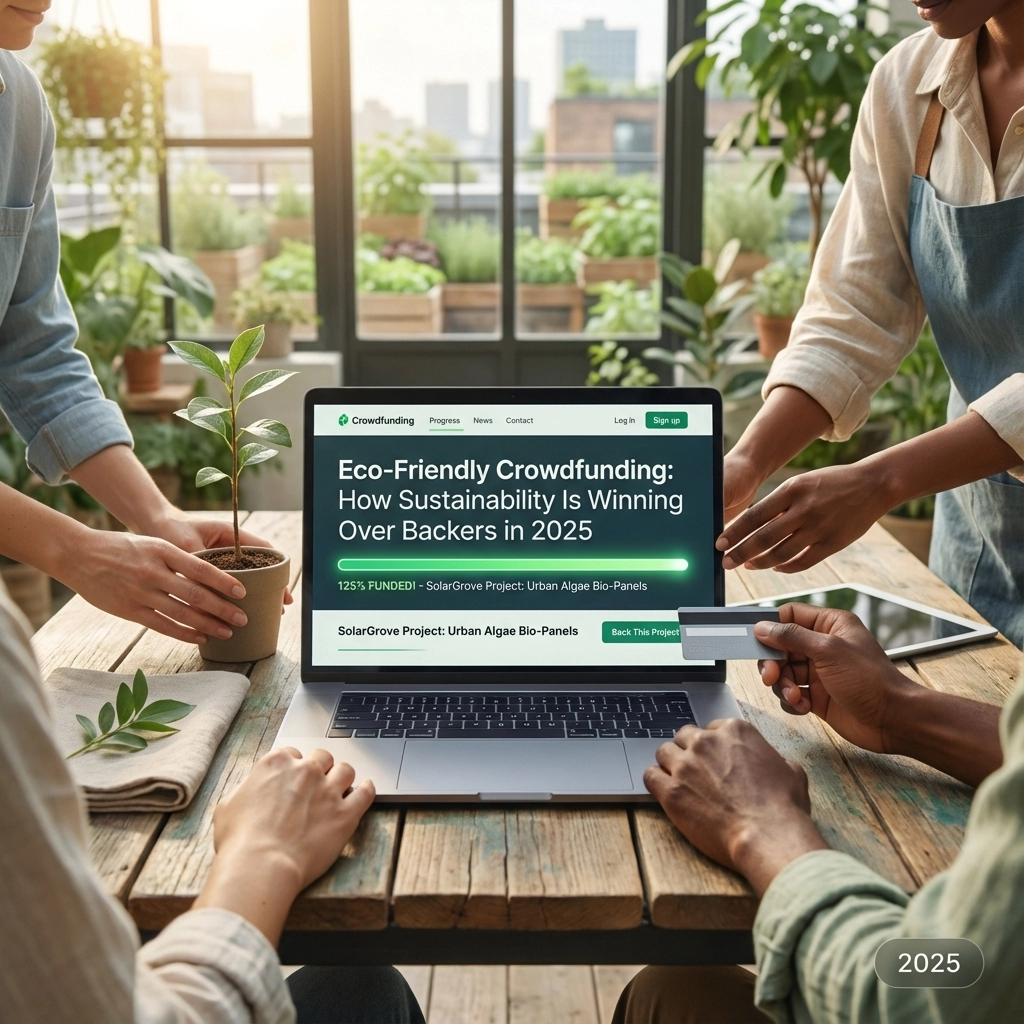
Ever wondered why that bamboo phone case campaign raised $2.3 million while similar plastic ones barely hit their $10k goals? Or why electric bike projects are consistently smashing their funding targets? The answer is simple: sustainability isn't just a nice-to-have anymore: it's become the secret weapon that's driving crowdfunding success in 2025.
Backers aren't just buying products anymore. They're investing in a future they want to live in. And if you're a campaign creator who hasn't jumped on the green bandwagon yet, you're missing out on some serious funding potential.
The Green Gold Rush: Numbers That'll Make You Think
Let's talk cold, hard cash. Campaigns with clear environmental impact metrics are raising 31% more capital than their traditional counterparts. That's not a small bump: that's a game-changing advantage that could make or break your campaign.
The impact investing market has exploded to $1.571 trillion globally, and platforms focused on sustainable projects have seen their investor bases grow by over 60% in just the past two years. Translation? There's more money chasing fewer eco-friendly projects, which means higher success rates for creators who get this right.
But here's the kicker: impact investing is growing at twice the rate of traditional equity crowdfunding. While everyone else is fighting over the same old pie, sustainable campaigns are feasting at a completely different table.
What's Hot in Green Crowdfunding Right Now
E-Mobility Dominates the Scene
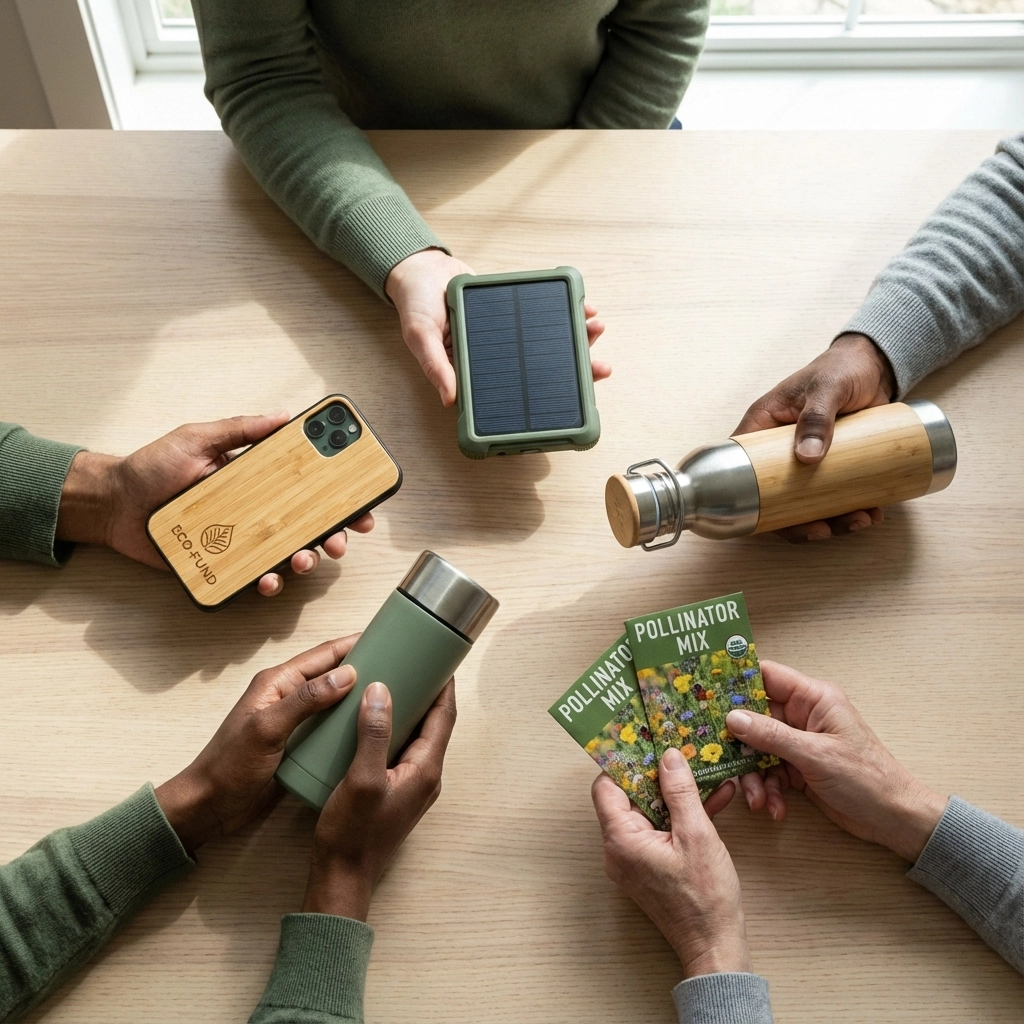
Electric bikes, scooters, and even tiny electric vehicles are absolutely crushing it. We're talking about projects that consistently hit 200-400% of their funding goals. Why? Because backers see them as practical solutions to real problems: commuting costs, pollution, and urban congestion.
The sweet spot seems to be electric bikes with foldable designs and longer battery life. Commuter-friendly scooters with enhanced safety features are also killing it. Even electric skateboards are finding their niche with both casual riders and extreme sports enthusiasts.
Home Energy Solutions Are Having a Moment
Micro-grid systems, solar kits, and smart energy management tools are winning big with backers who want energy independence. AI-driven appliances that learn your habits and optimize energy use are particularly popular. We're seeing everything from smart thermostats to solar integration systems getting funded.
The magic happens when creators show real energy savings data. Backers love seeing actual dollar amounts they'll save on their electricity bills.
Zero-Waste Everything
Biodegradable packaging, compostable alternatives to everyday items, and zero-waste consumer goods are resonating strongly. Next-generation materials like plant-based plastics and innovative composites are attracting both tech enthusiasts and environmentally conscious backers.
Water purification devices and home-scale recycling solutions are also doing well, especially when creators can demonstrate clear environmental impact metrics.
Your Green Campaign Playbook: What Actually Works
Be Brutally Honest About Your Eco Claims
Greenwashing will kill your campaign faster than you can say "bamboo fiber." Backers are savvy: they'll fact-check your environmental claims. Instead of vague statements like "eco-friendly," get specific:
- Use exact percentages of recycled materials
- Show certification numbers from recognized organizations
- Include lifecycle assessments that prove your environmental impact
- Be transparent about what parts of your product aren't green (yet)

Showcase the Full Lifecycle Story
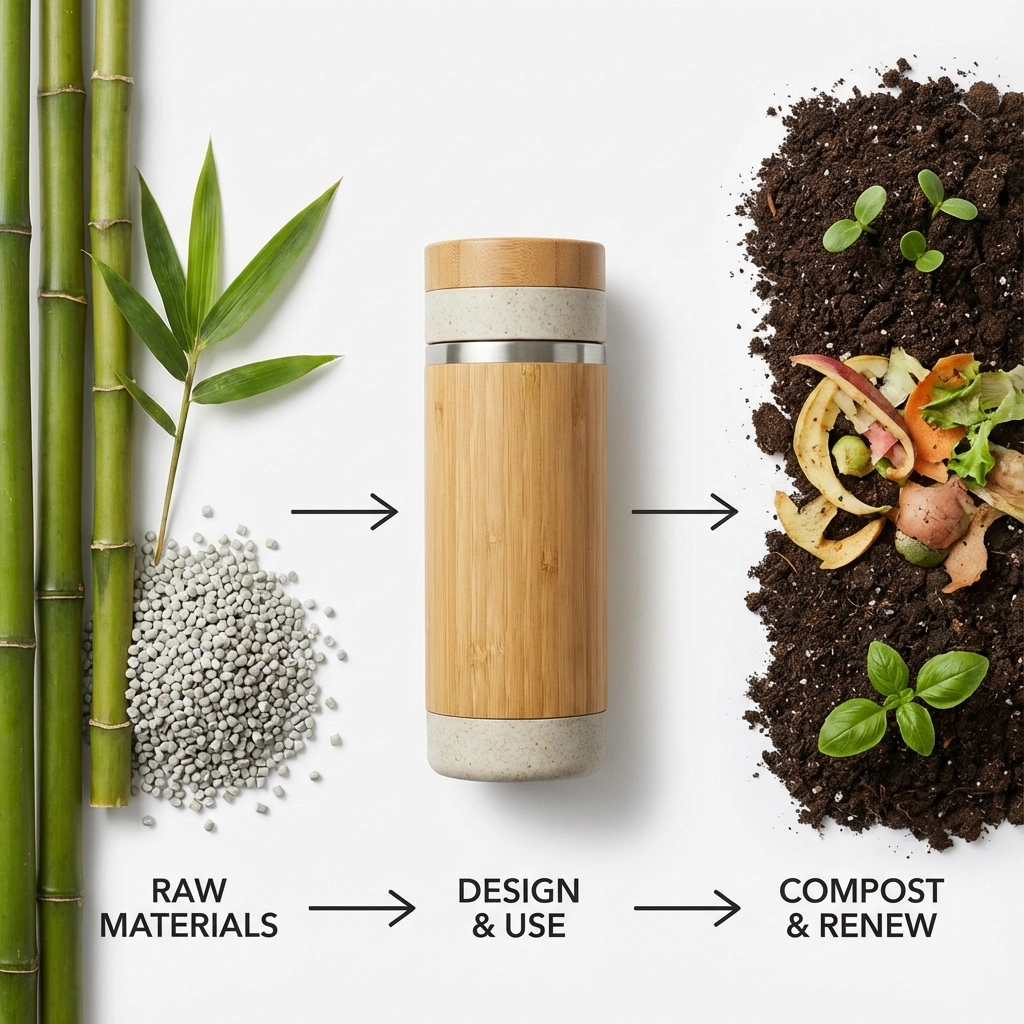
Don't just talk about your product: tell the complete environmental story. Show where materials come from, how they're processed, what happens during use, and how the product can be disposed of or recycled. Interactive graphics and simple diagrams work incredibly well for this.
One successful campaign we analyzed created a visual timeline showing their product's journey from sustainable source materials to eventual composting. It was simple, honest, and compelling.
Tap Into Eco-Influencer Networks
Environmental influencers have incredibly engaged audiences who trust their recommendations. But here's the secret: you don't need mega-influencers. Micro-influencers in sustainability niches often have higher engagement rates and more authentic connections with their followers.
Look for influencers who actually live sustainably, not just talk about it. Their audiences can smell authenticity from miles away.
Connect With Niche Communities
Reddit's r/ZeroWaste, Facebook groups focused on sustainable living, and specialized environmental forums are goldmines for early backers. These communities are actively looking for solutions to environmental problems.
Engage authentically in these spaces. Share your development process, ask for feedback, and build relationships before you launch. Don't just drop in with a sales pitch.
Real-World Success Stories Across Categories
Tech: The Solar-Powered Everything Trend
A recent campaign for a solar-powered outdoor speaker raised 340% of its goal by focusing on outdoor enthusiasts who wanted to enjoy music without environmental guilt. They showed exact energy calculations, partnered with camping influencers, and demonstrated the product at outdoor events.
Gardening: Composting Made Simple
An indoor composting system campaign succeeded by targeting urban dwellers frustrated with food waste. They provided detailed data on waste reduction, partnered with zero-waste lifestyle bloggers, and created simple videos showing the composting process.
Lifestyle: Sustainable Fashion That Actually Looks Good
A clothing campaign using recycled ocean plastic raised over $800k by focusing on style first, sustainability second. They didn't lecture about environmental problems: they just created beautiful clothes that happened to be eco-friendly and let the story speak for itself.
The Greenwashing Trap: How to Avoid Campaign Suicide
Here's what'll tank your campaign faster than you can say "sustainable":
Vague Environmental Claims: "Eco-friendly" means nothing without specifics. Backers want numbers, certifications, and proof.
Fake Urgency About Environmental Impact: Don't claim your product will "save the planet." Be realistic about your actual impact.
Ignoring the Full Supply Chain: If your "sustainable" product is made in a factory with terrible environmental practices, backers will find out.
Overcomplicating the Message: If you need a PhD in environmental science to understand your impact claims, you've lost most backers.
Instead, focus on:
- Clear, measurable environmental benefits
- Honest acknowledgment of limitations
- Third-party certifications when available
- Simple, understandable impact metrics
Getting Started: Your Next Steps
Ready to green your campaign? Start with these practical steps:
- Audit your product honestly: what parts are actually sustainable?
- Get proper certifications if your claims warrant them
- Document your environmental impact with real data
- Find your eco-community before you launch
- Partner with authentic environmental voices in your space
The sustainability wave isn't going anywhere: it's only getting bigger. Backers are putting their money where their values are, and those values increasingly include environmental responsibility.
Whether you're developing the next breakthrough in solar technology or creating a simple solution for reducing plastic waste, there's never been a better time to launch a genuinely sustainable crowdfunding campaign. The backers are there, the money is flowing, and the world needs more solutions.
The question isn't whether you should make your campaign more sustainable: it's whether you can afford not to.
Ready to join the green revolution? Your planet-conscious backers are waiting.